
The Best Vegan Protein Sources
When you go vegan, one of the first things you may think about is how to make sure you’re getting enough protein. Luckily, there are tons of sources of plant-based proteins that you can easily incorporate into your diet! I’ll break down the best sources for vegan protein, including nuts, seeds, legumes, grains, and soy and explain what you need to consider when choosing a protein source.
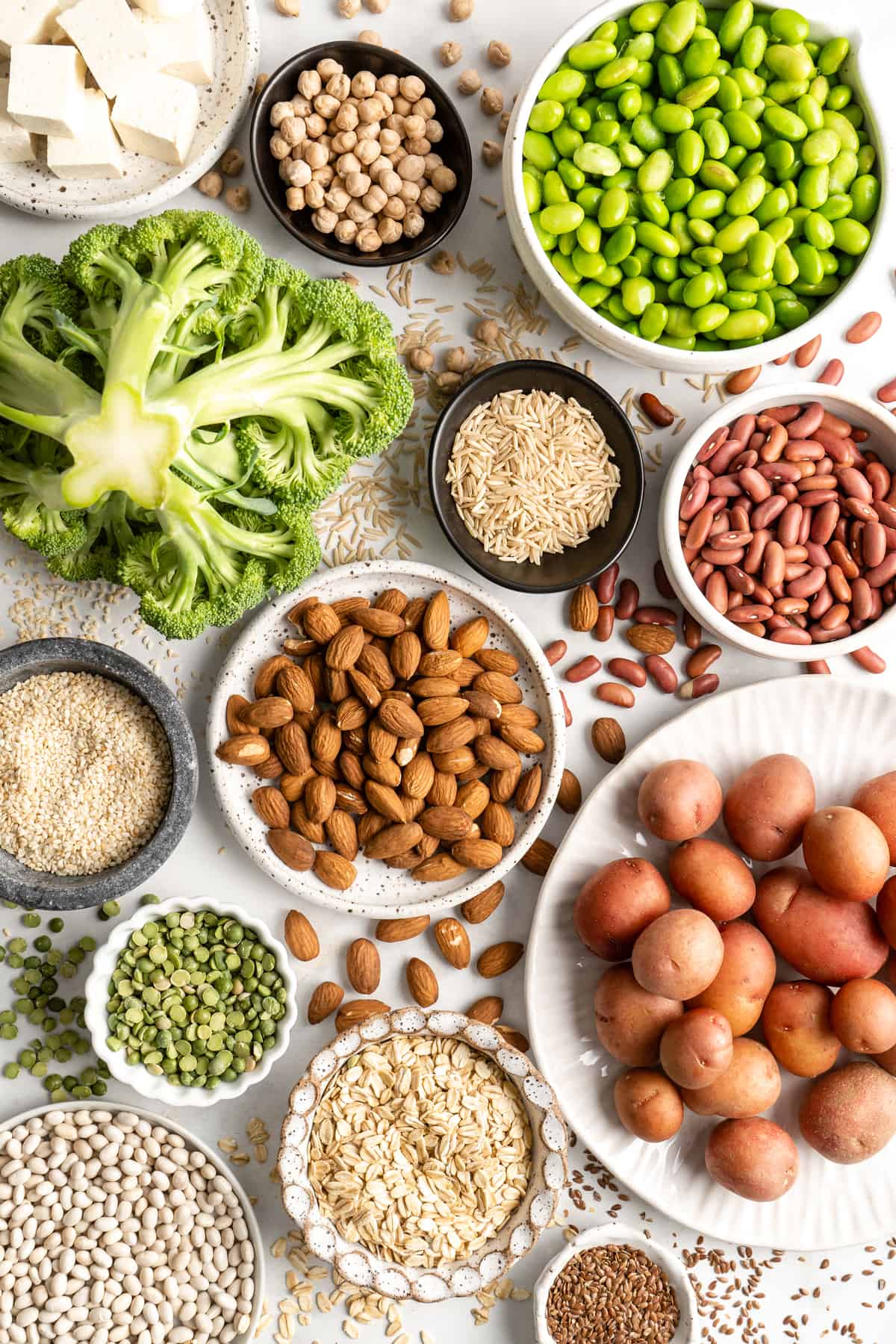
If you’re reading this in January, Happy Veganuary! Maybe you’re new to veganism or just want to incorporate more plant protein into your life and want the low down In this article, I’ll break down the best sources for vegan protein, including nuts, seeds, legumes, grains, and soy and explain what you need to consider when choosing a protein source.
Why is protein important?
Protein is an important building block for your bones, muscles, skin, red blood cells, and more. This is why you often hear of people increasing their protein intake when they are trying to build muscle! Protein is also essential to helping your body repair tissue, regulate hormones, and create enzymes to digest your food
How much protein do you need?
The FDA recommends that adults consume 50 grams of protein per day as part of a 2,000 calorie diet. For a more precise number, you can use the minimum Recommended Dietary Allowance (RDA), which is 0.8 grams of protein per kilogram of body weight.
Are all proteins equal?
One thing to consider about plant-based proteins is that not all of them are complete proteins. A complete protein contains all 9 essential amino acids, which are amino acids that the body cannot produce on its own, while an incomplete protein may be missing one or more essential amino acids.
Just because a protein isn’t complete doesn’t mean it is less than though, you can ensure you get the complete spectrum of essential amino acids by varying your protein sources. Animal protein contains all 9 essential amino acids, so this may not be something you’re used to considering when you first switch to a vegan diet, but it is simpler than it seems! For example, rice and beans are great to pair together because beans are low in the essential acid methionine and high in lysine, while rice is low in lysine and high in methionine.
The Best Vegan Protein Sources
Nuts
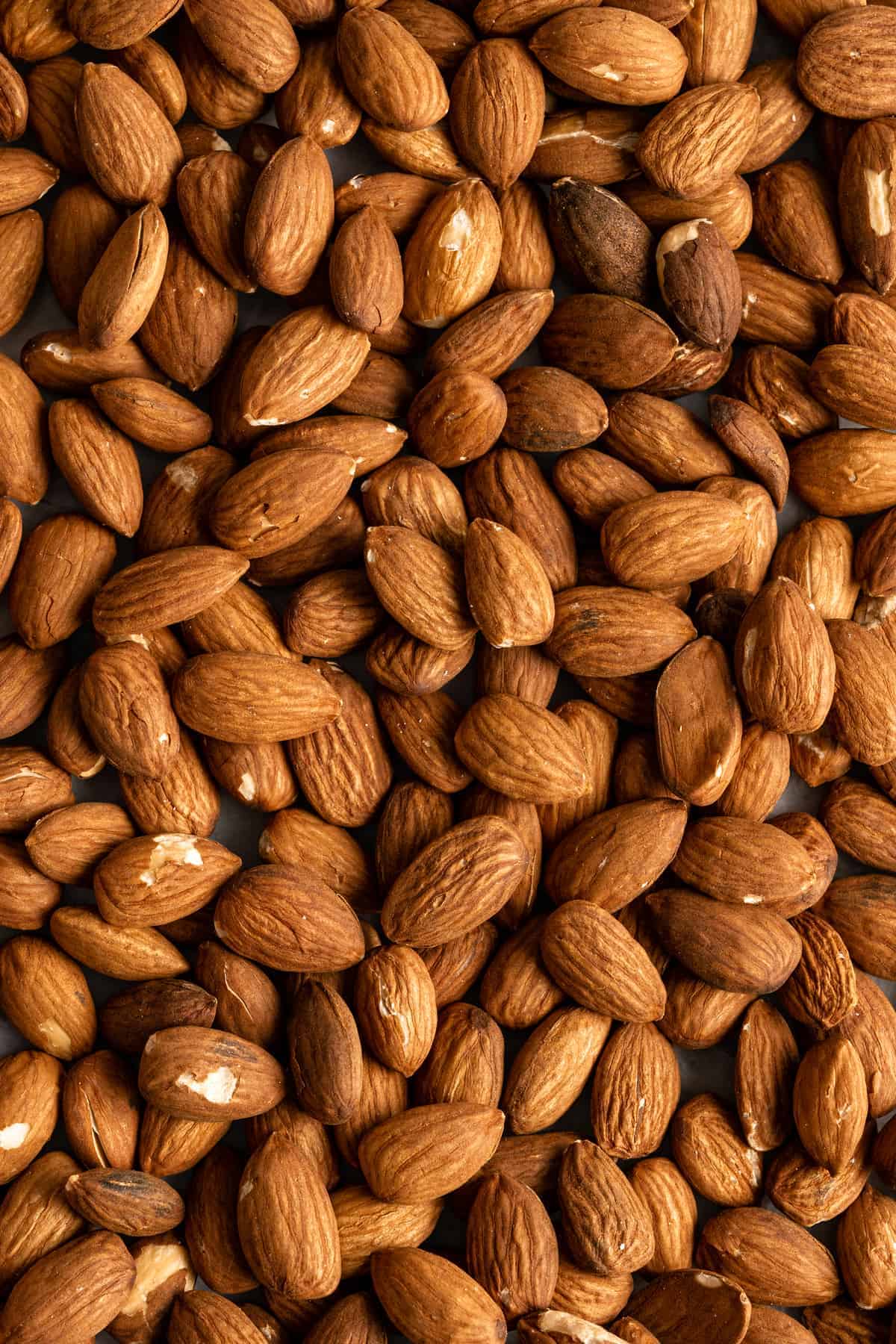
Nuts are a great source of vegan and vegetarian protein whether eaten as-is, as nut butter or even ground into flour. Below is the protein breakdown for a few of my favorite nuts:
- Almonds – 6 grams protein per ounce
- Cashews – 5 grams protein per ounce
- Walnuts – 4.3 grams protein per ounce
Seeds
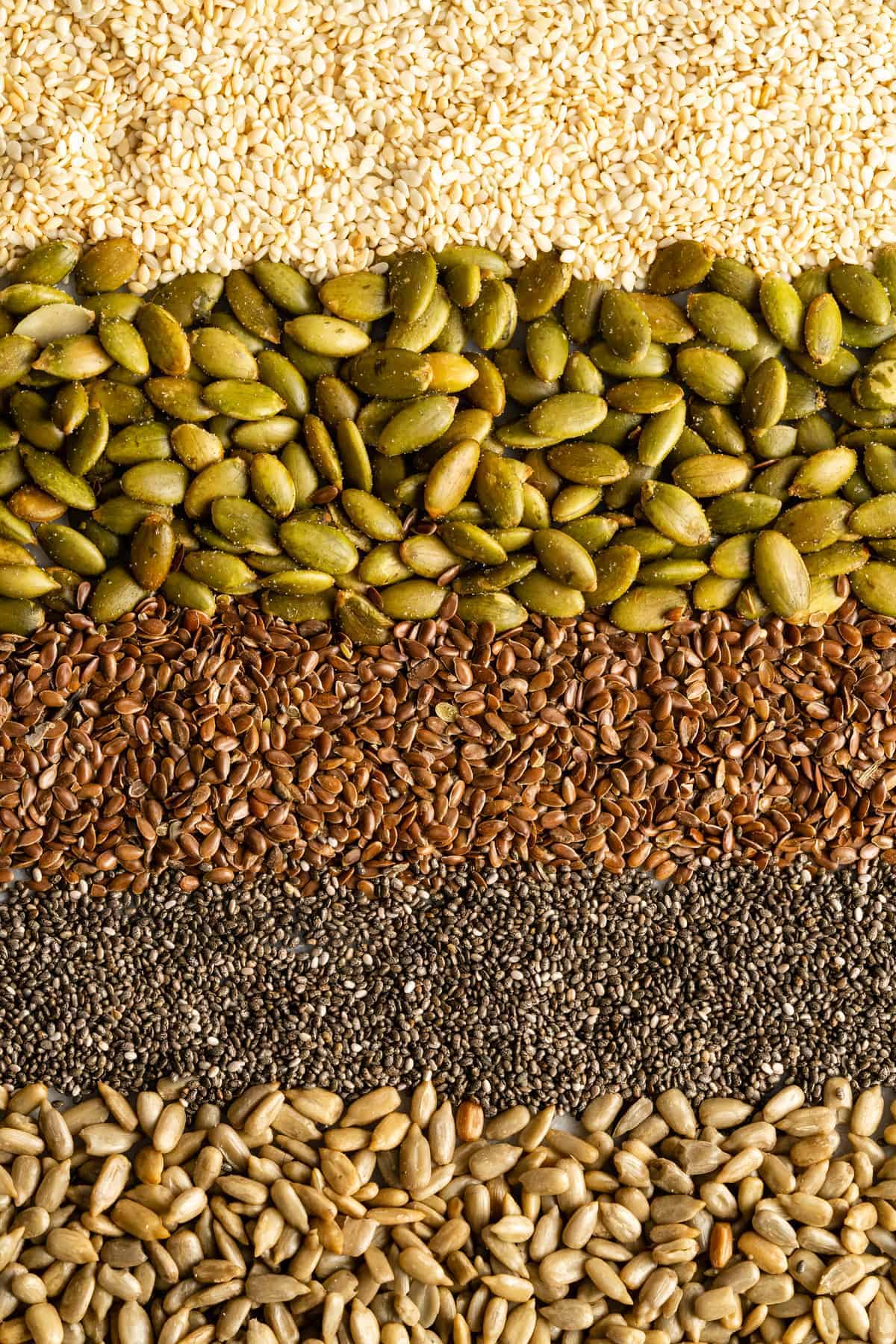
From chia seeds to sunflower seeds, seeds are a great plant-based protein option. Here are a few of the best high-protein seeds:
- Chia Seeds – 4.7 grams protein per ounce
- Flaxseeds – 5.2 grams protein per ounce
- Hemp Seeds – 8.8 grams protein per ounce
- Peanuts – 7 grams protein per ounce
- Pumpkin Seeds – 5 grams protein per ounce
- Sunflower Seeds – 6 grams protein per ounce
Legumes
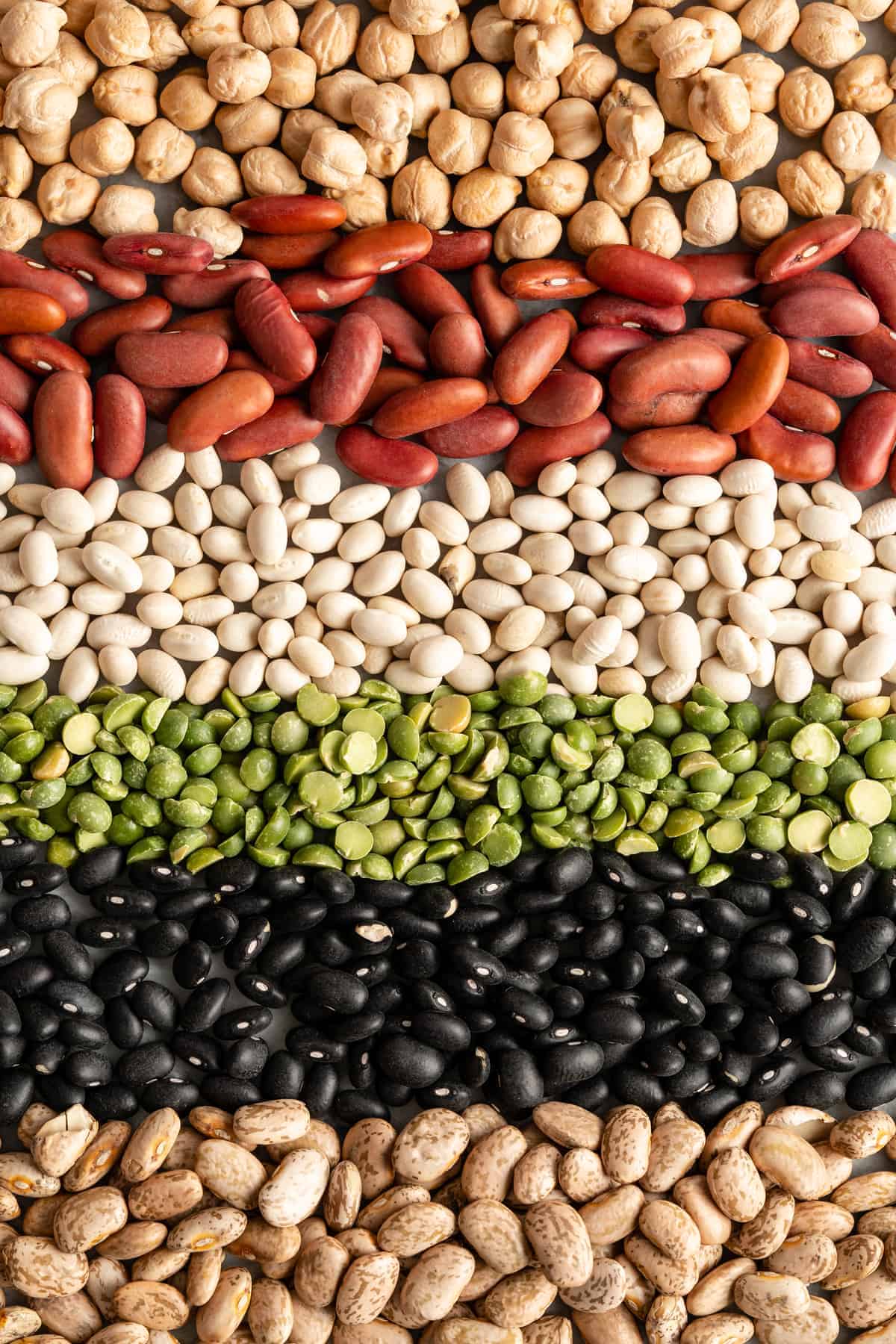
Legumes are one of the most commonly thought of vegan protein sources, and for good reason! Some examples of legumes include beans, lentils, and peas. Below you’ll find the protein content for some of the most common legumes:
- Black Beans – 15.2 grams protein per cup (cooked)
- Chickpeas – 14.5 grams protein per cup (cooked)
- Kidney Beans – 15 grams protein per cup (cooked)
- Lentils – 18 grams protein per cup (cooked)
- Lima Beans – 15 grams protein per cup (cooked)
- Peas – 8 grams protein per cup
- Pinto Beans – 15 grams protein per cup (cooked)
Soy-Based Vegan Protein Sources
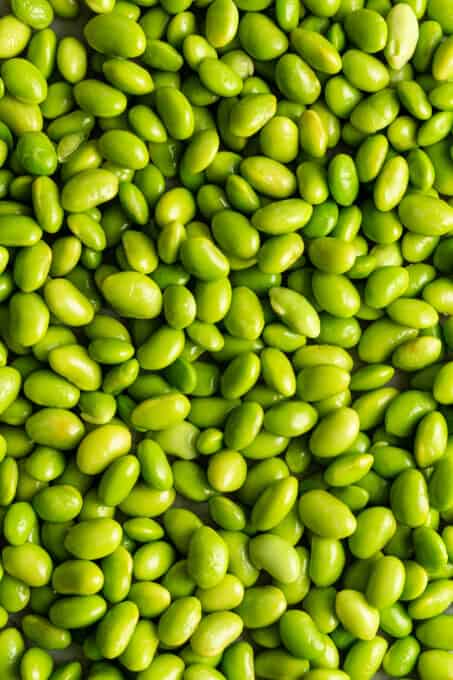
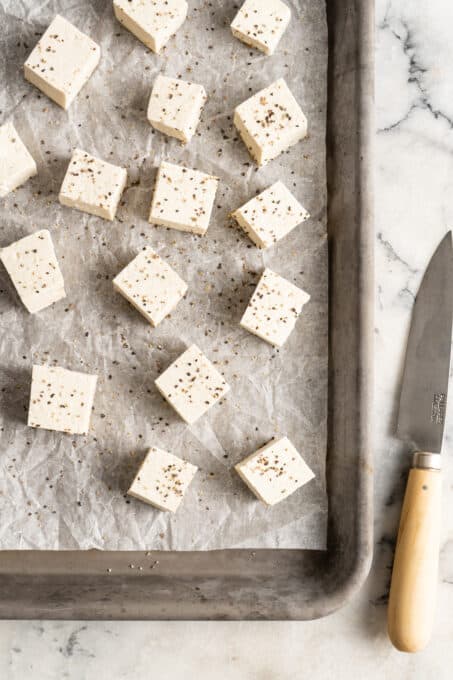
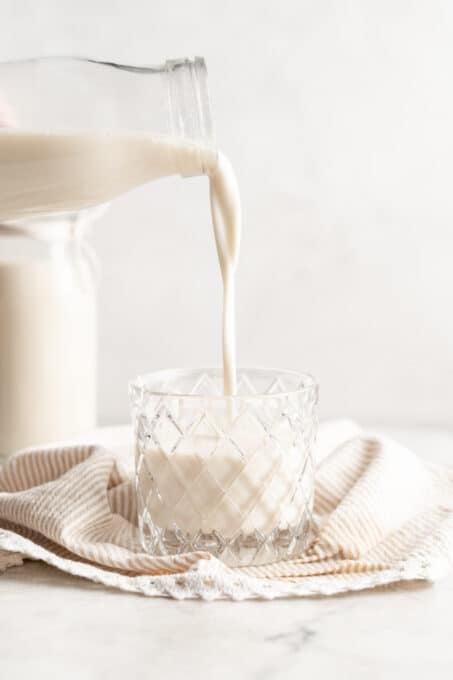
Soy is a popular source of vegan protein because it can be used in so many different ways, and it is one of few plant-based proteins that contains all 9 essential amino acids – meaning it is a complete protein! Whether you’re drinking soy milk or eating fresh edamame, soy is a great addition to a vegan diet. Below is the protein content of some of the most popular soy-based foods:
- Edamame – 17 g protein per cup (cooked)
- Soybeans – 29 g protein per cup (cooked)
- Soy Milk – 8 g protein per cup
- Tofu – 20 g protein per cup
High Protein Grains
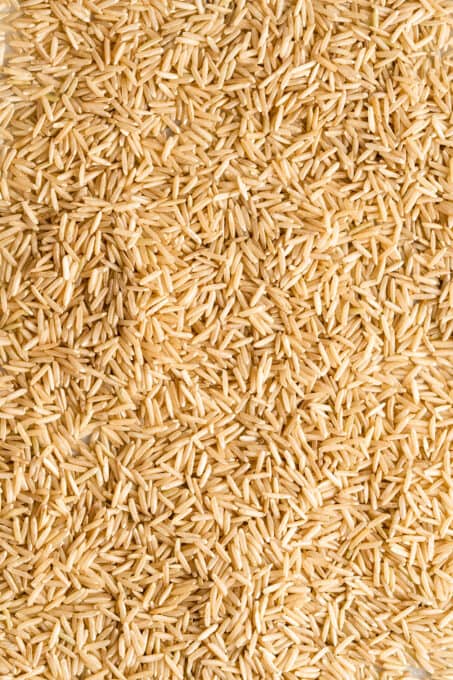
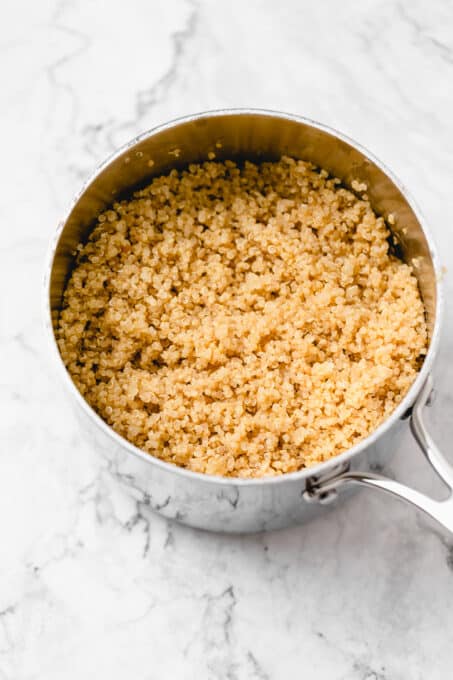
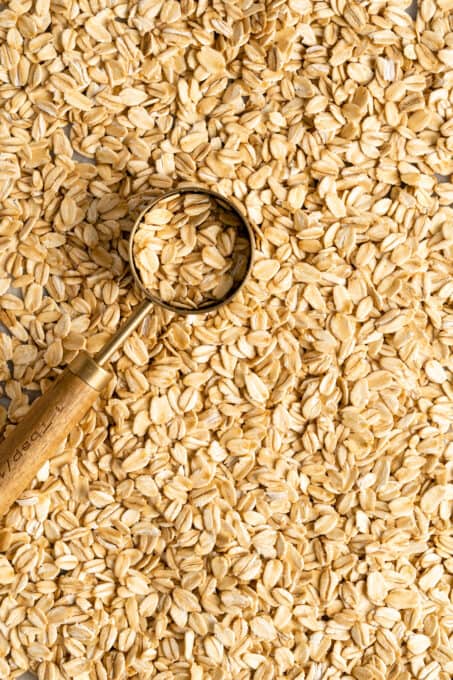
When we think of grains, carbs are often the first thing that comes to mind, but did you know that many whole grains are also a great source of protein? Below you’ll find some of the best high-protein whole grains.
- Brown Rice – 5 g protein per cup (cooked)
- Bulgur – 6 g protein per cup (cooked)
- Farro – 8 g protein per cup (cooked)
- Oats – 5 g protein per cup (cooked)
- Quinoa – 8 g protein per cup (cooked)
- Teff – 9.8 g protein per cup ( cooked)
Vegan Meat Substitutes
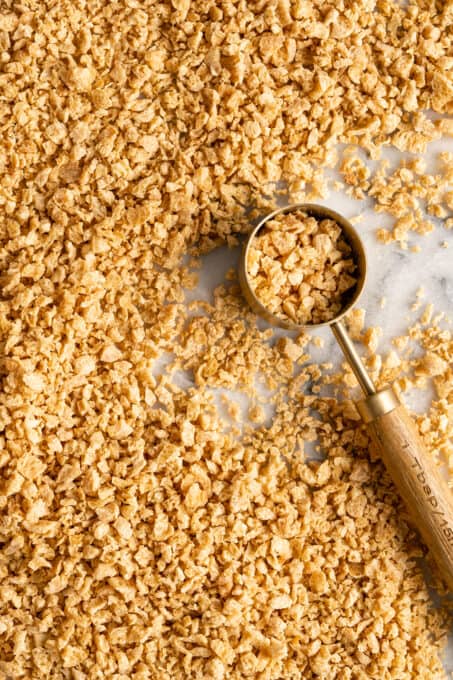
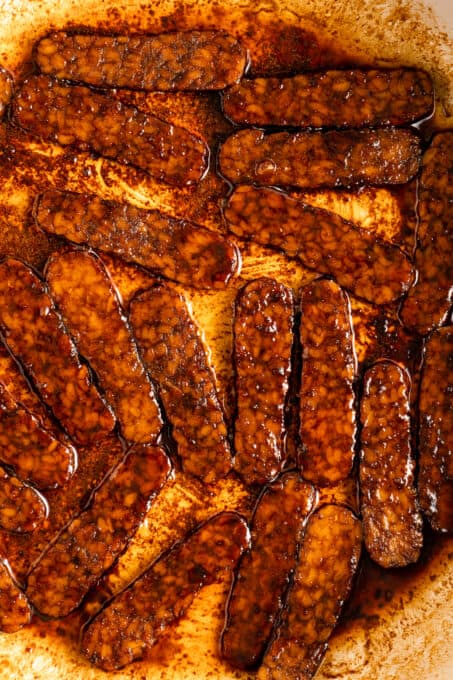
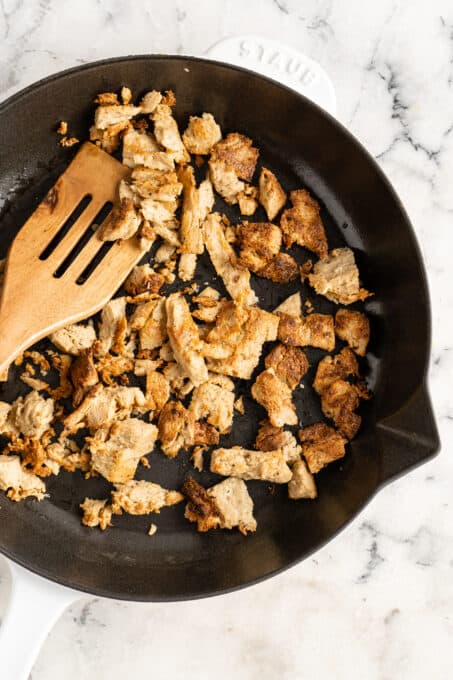
In addition to naturally occurring plant-based proteins like nuts, seeds, and grains, there are also a number of vegan meat substitutes designed specifically to replace animal protein. These options pack a big protein punch. Below are a few of the most common options!
- Beyond Meat Vegan Ground Beef – 20 g protein per (4-ounce) serving
- Impossible Burger – 19 g protein per (4-ounce) serving
- Seitan (Vital Wheat Protein) – 46 g per (½ cup) serving
- Tempeh – 31 g protein per (1 cup) serving
- Textured Vegetable Protein – 18 grams per (½ cup) serving
Nutritional Yeast
Nutritional yeast is a cousin to the brewer’s and baker’s yeast that has a cheesy taste. 2 tablespoons of nutritional yeast will provide you with 8 grams of plant-based protein.
Vegetables That Are High in Protein
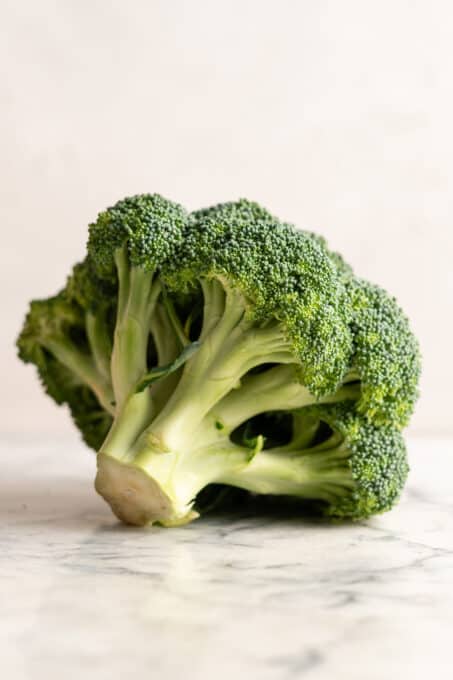
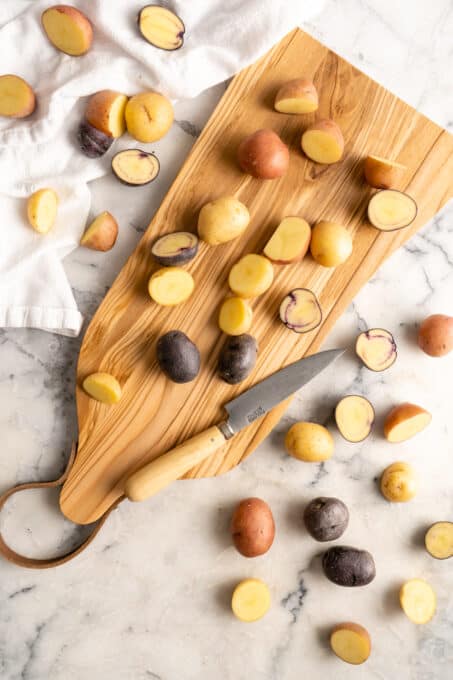
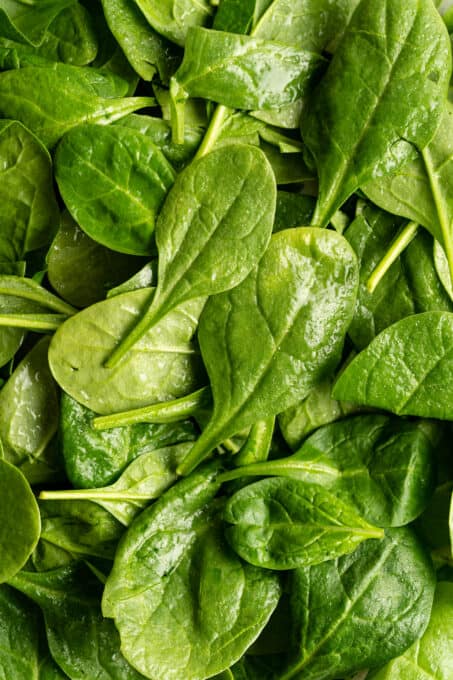
While typically not as high as the other options listed in this article, vegetables can also be a great source of vegan protein! Below are the highest protein vegetable sources:
- Broccoli – 2.5 grams per cup
- Brussels Sprouts – 5.64 grams protein per cup
- Corn – 4.3 grams protein per cup
- Potatoes – 4.55 grams per medium potato
- Spinach – 5.3 g per cup (cooked)
- Sweet Potatoes – 2 grams per medium sweet potato
As you can see, the potential sources for plant-based proteins are more than plentiful. I hope that this guide has helped you learn more about vegan sources of protein and find some new foods to try!
High Protein Vegan Meals
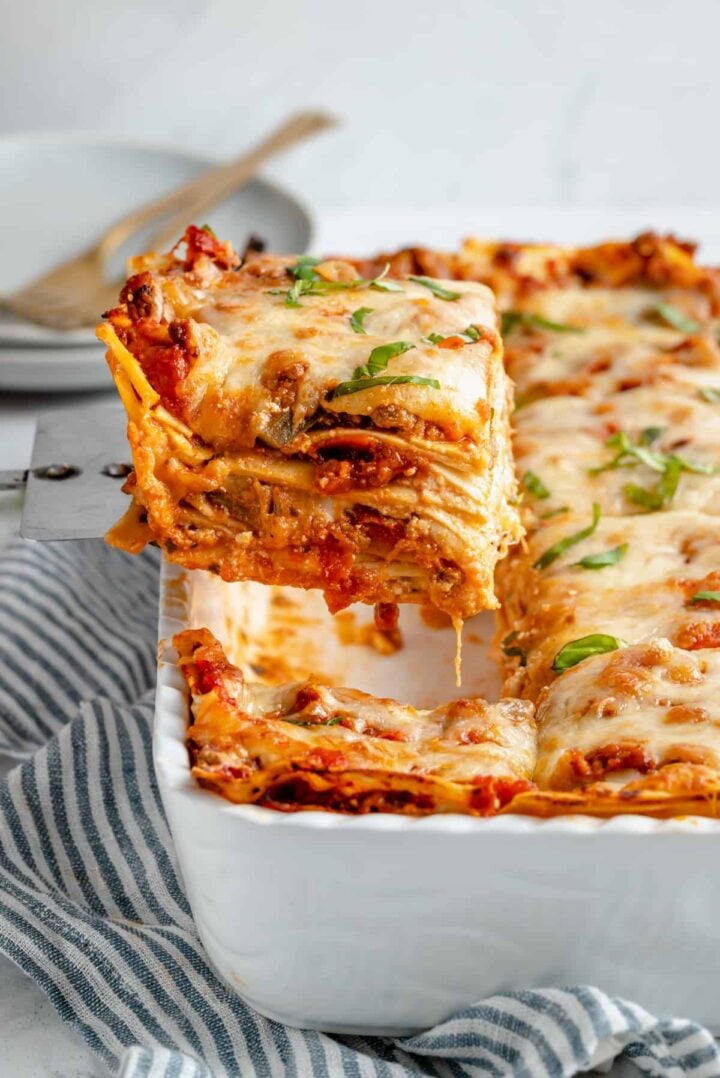
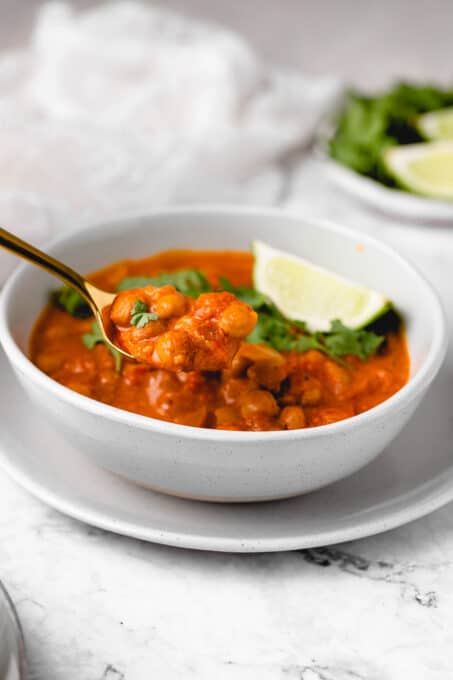
Below are a few of my favorite vegan dishes that are high in protein!
(please note that health professionals were consulted to confirm the validity of these statements. Although jessicainthekitchen.com attempts to provide accurate nutritional information, kindly note that these are only estimates. Nutritional information may be affected based on the product type, the brand that was purchased, and in other unforeseeable ways. Jessicainthekitchen.com will not be held liable for any loss or damage resulting for your reliance on nutritional information. If you need to follow a specific caloric regimen, please consult your doctor first.)


Excellent post. Places side by side all the sources of protein together with the amount of protein.